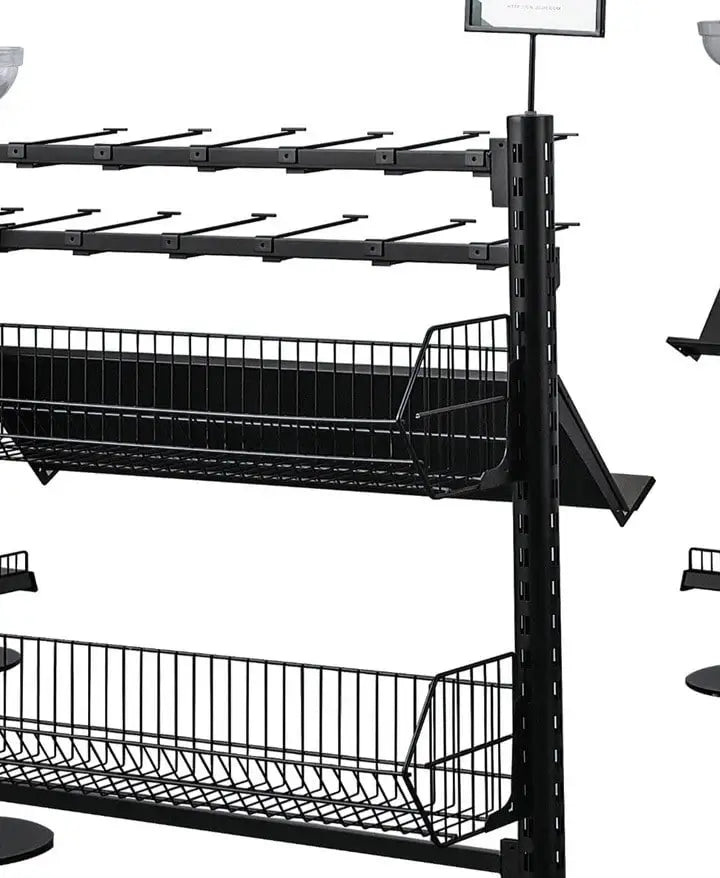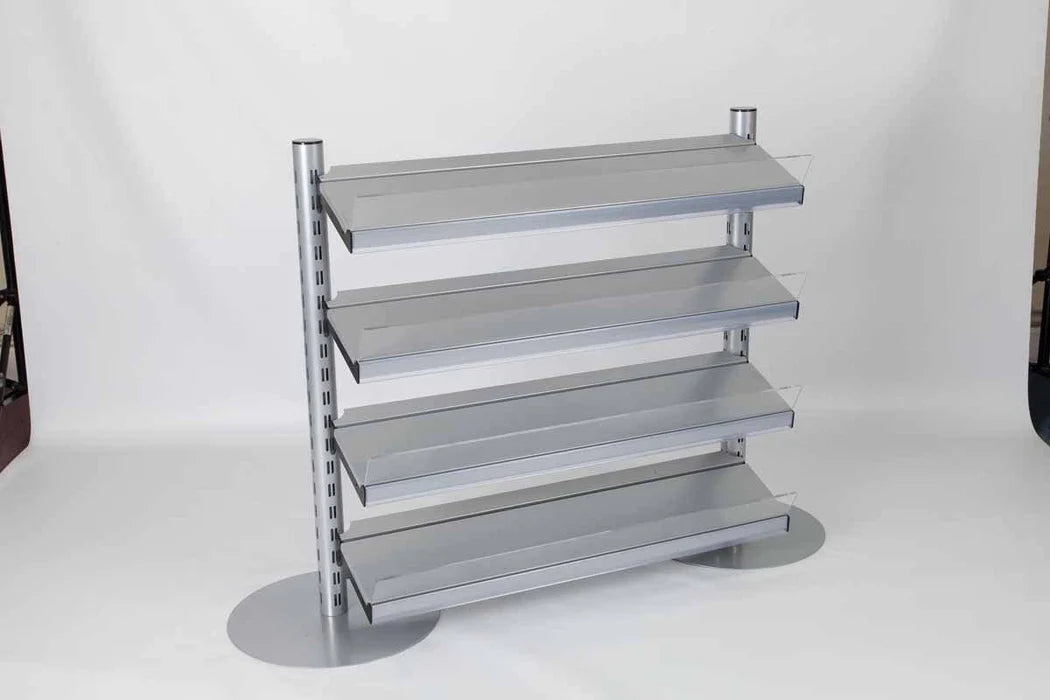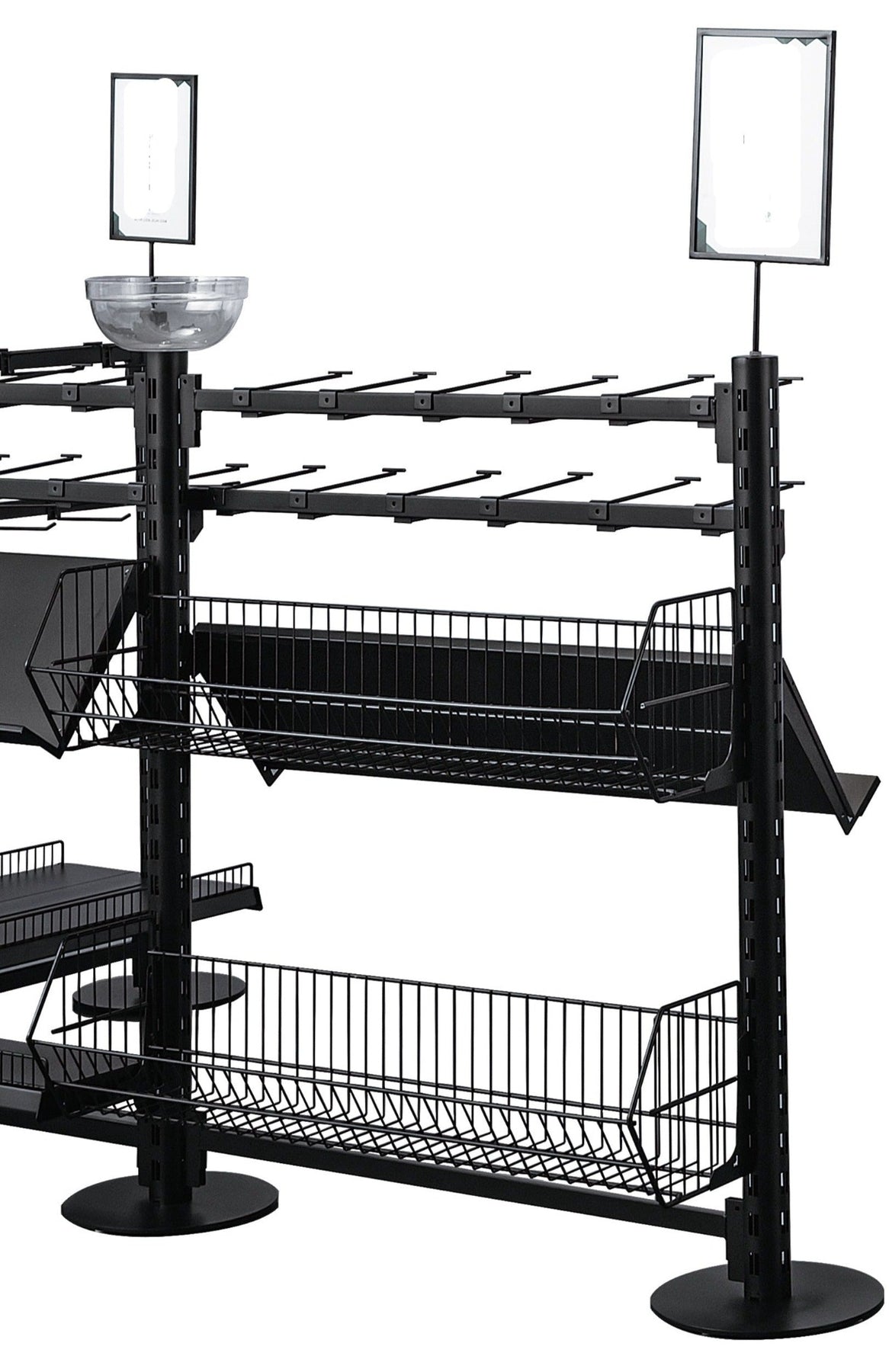

In textured matt black, this queue merchandising solution allows all stores to boost sales as it prompts shoppers to grab additional items on their way to pay. As clients stand in line, you can now captivate their attention and make their wait times seem shorter by presenting them with a chance for impulse purchases.
Organize your traffic with this modular self-standing stanchion-style display system. Create impulse purchasing with secure check-outs.
This Q-Line system is perfect for any space!
Find also: Display showcase, Display table, Rolling racks
8 products
Q-Line Oval Base 19.69"X7.87"
7355058
Regular price $41.50Oval base feet are used as a heavy duty base for the stanchion style post to secure shelving, and wire baskets and even slat grid..
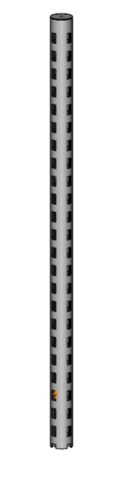
Queue upright 47"
7355055
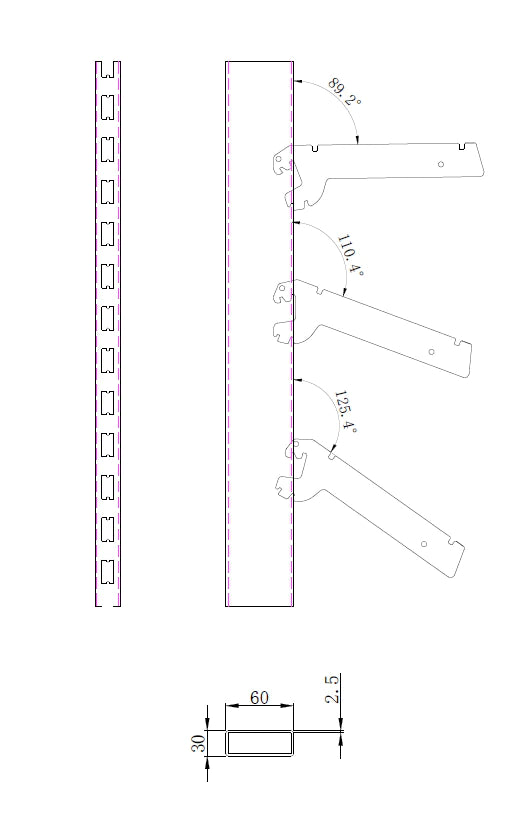
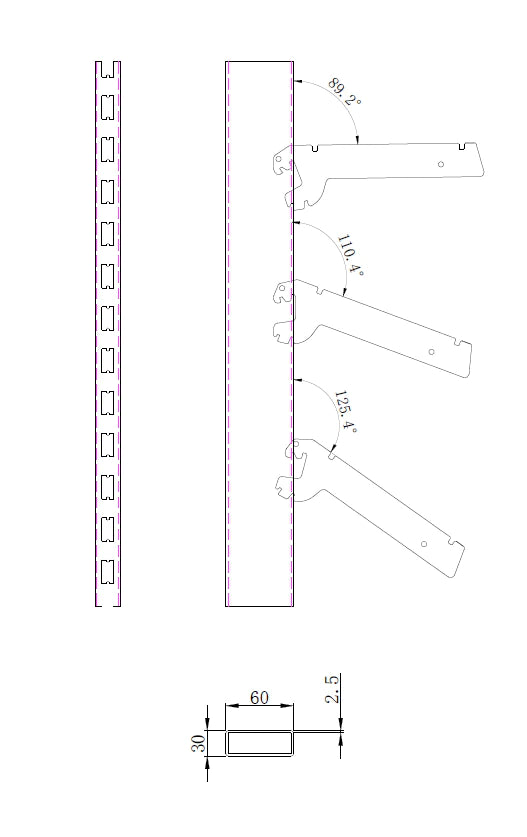
Regular price $44.50The post acts as a Stanchion when fastened to the heavy-duty base. It also serves to add shelves, bars, and wire displays at a 36" wide interval.
Organize your check-out space or create new shopping anywhere with this mobile and self-standing system
Q-Line tie bar 0.59"X1.18"X36"
7355064
Regular price $11.75An efficient in-queue merchandising system presents an opportunity for all retailers to maximise sales as it encourages customers to impulse buy and collect additional items on their way to the checkout. Whilst customers are queued, you have their full attention, time, and (soon) money, so reduce perceived wait times by distracting them with an effectively merchandised system full of impulse products that the customer may have forgotten or may like to add to their basket.
Tie Bars can be used instead of panels to provide support in-between two upright posts on the system (especially when filling a bay with shelves). They are also used to hang and display hooks when a hangsell row is required.
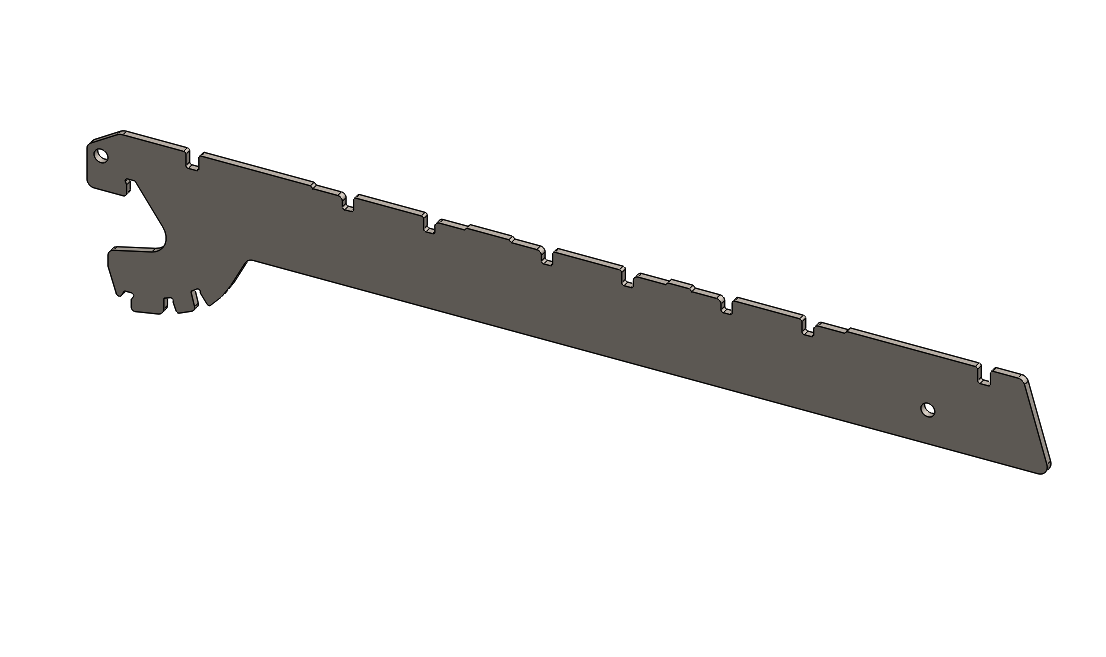
Q-Line shelf bracket 8"
7355059
Regular price $5.95This bracket supports the Q-line shelf that is 36" wide and 8" deep. It is designed to display on 3 angles with wire fencing and separators added-on.
Organize your check-out space or create new shopping anywhere with this mobile and self standing shelf and basket system.
Q-Line gap cover 36"X3.74"
7355063
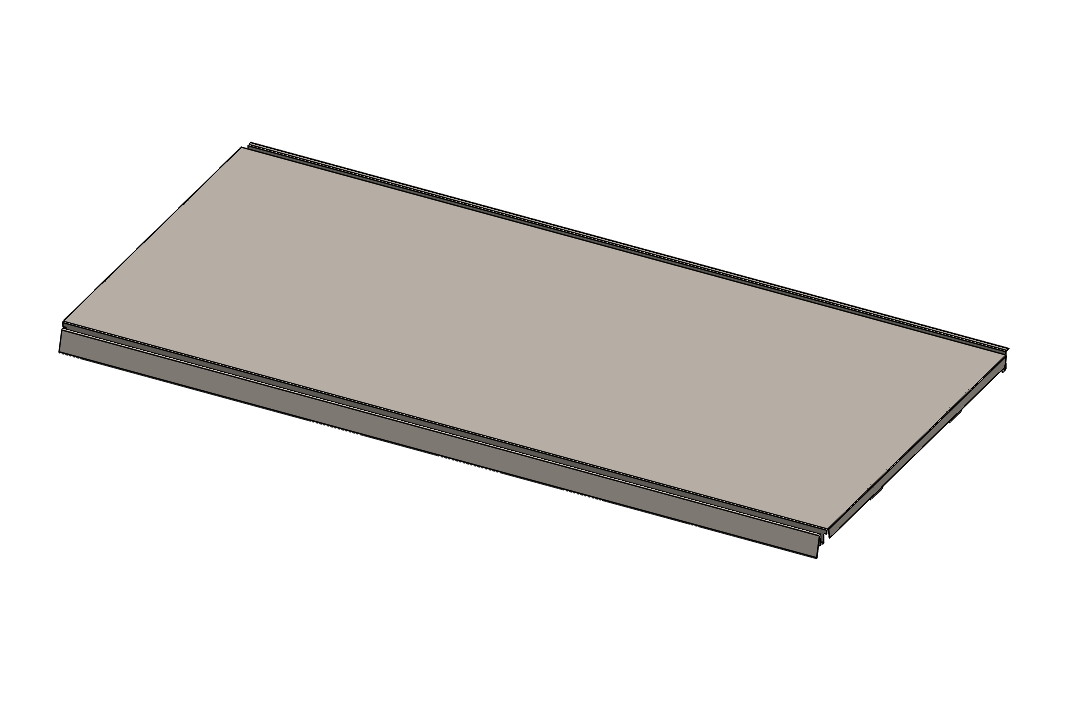
Regular price $14.25Q-Line retail commercial shelving 36"X8"
7355060
Regular price $17.95Q-Line Sign frame 21.45"X8.66"
7355065
Regular price $14.95Use this sign 21.5x8.66" fit to the Q-line post. Use it for marketing or crowd control to be bought with the the Q-line system only.
Q-Line price strip 36"
7355062
Regular price $2.25This ticket strip is designed for the Adco commercial shelf and can easily be mounted to the shelf lip so that you can add pricing and product details.
For impulse product merchandising, a strong queue checkout product selection focuses on snacks, impulse buy items, checkout line add-ons, and other high-margin impulse products. Avoid high-priced items that need a considered purchase. Limit choice to one or two options per type to reduce friction— products that sell well in a queue are usually simple. Q-Line’s adjustable shelf angles can be used to spotlight best sellers, and retailers can request guidance on queue merchandising strategy to increase retail attachment rate.
Easily create shopping traffic in any space. Add merchandise, and ensure more sales.