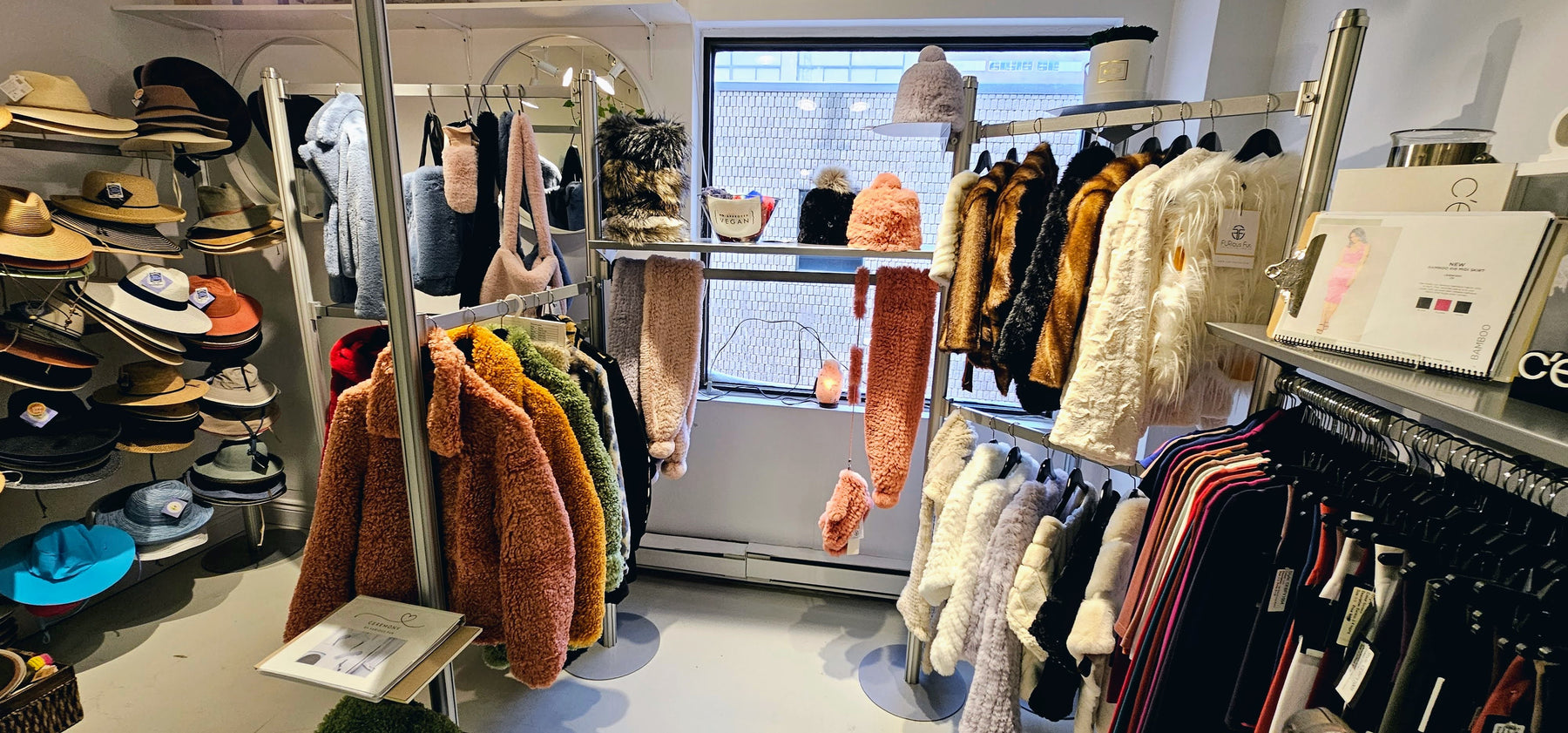
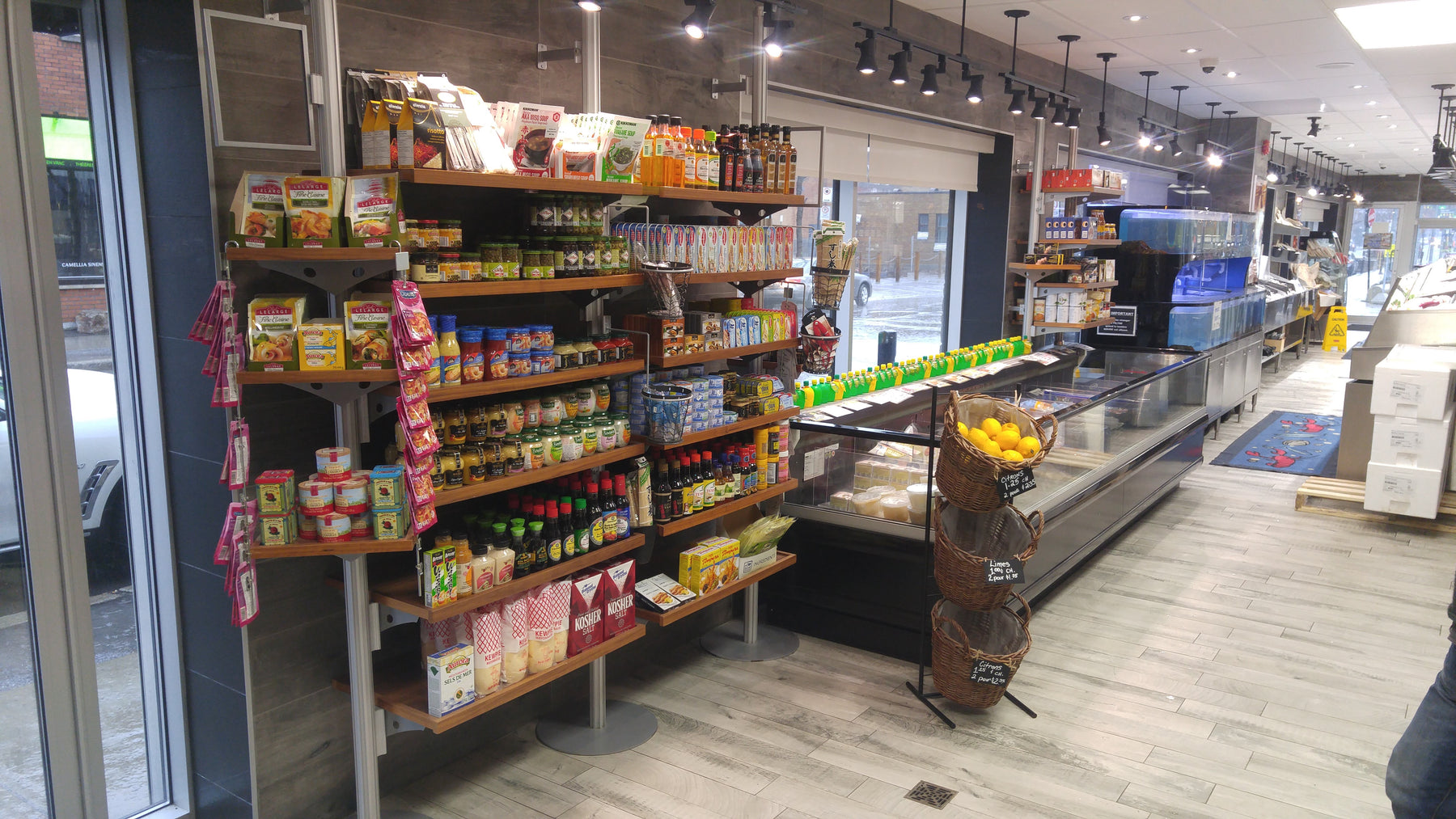
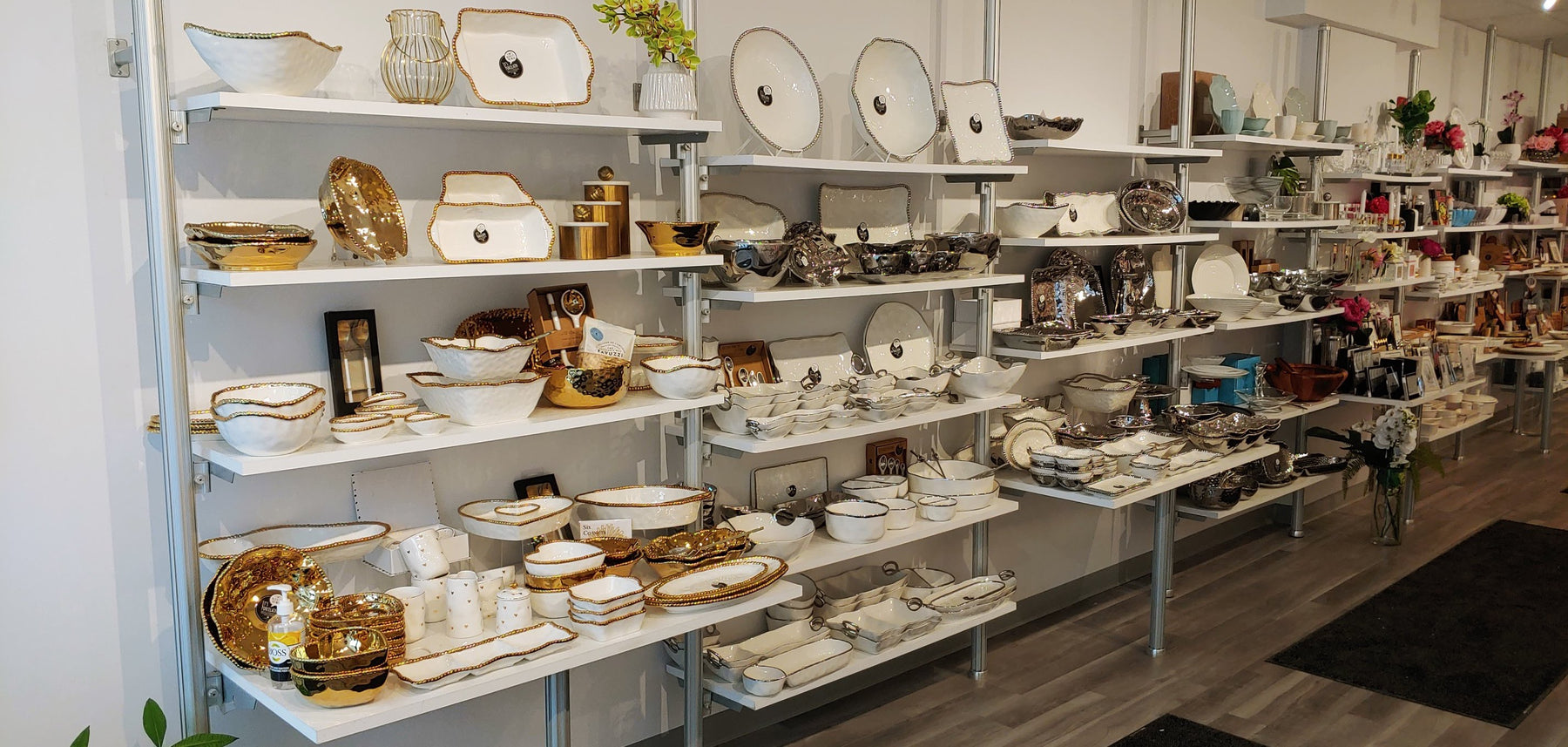
With Ideajab, the variations and specifications are endless, so it would be best to give us a call and let us plan your store with you so that we can figure out the best options.
Call us at 514-381-2396 or send us an email at websales@displetech.com
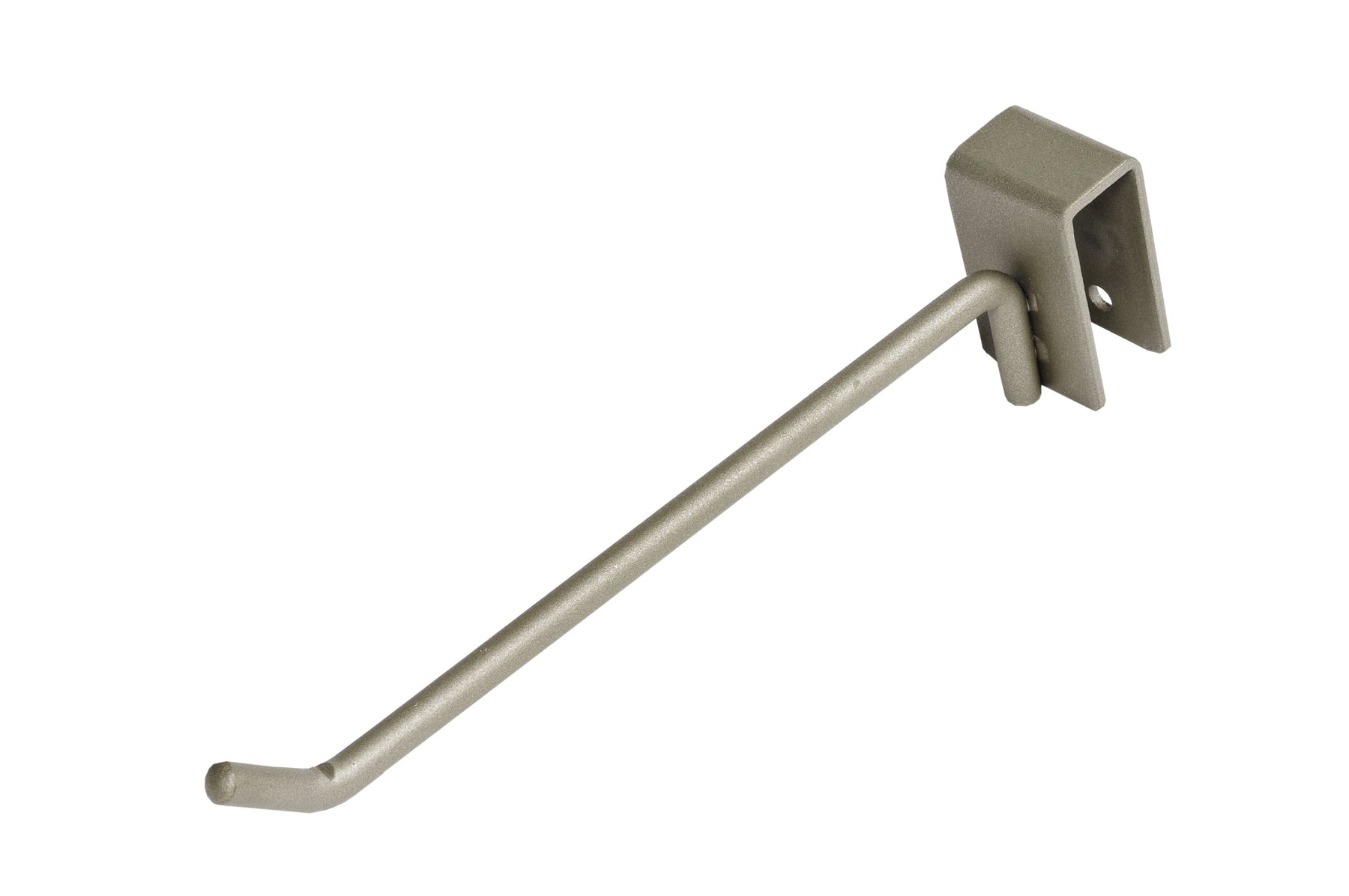
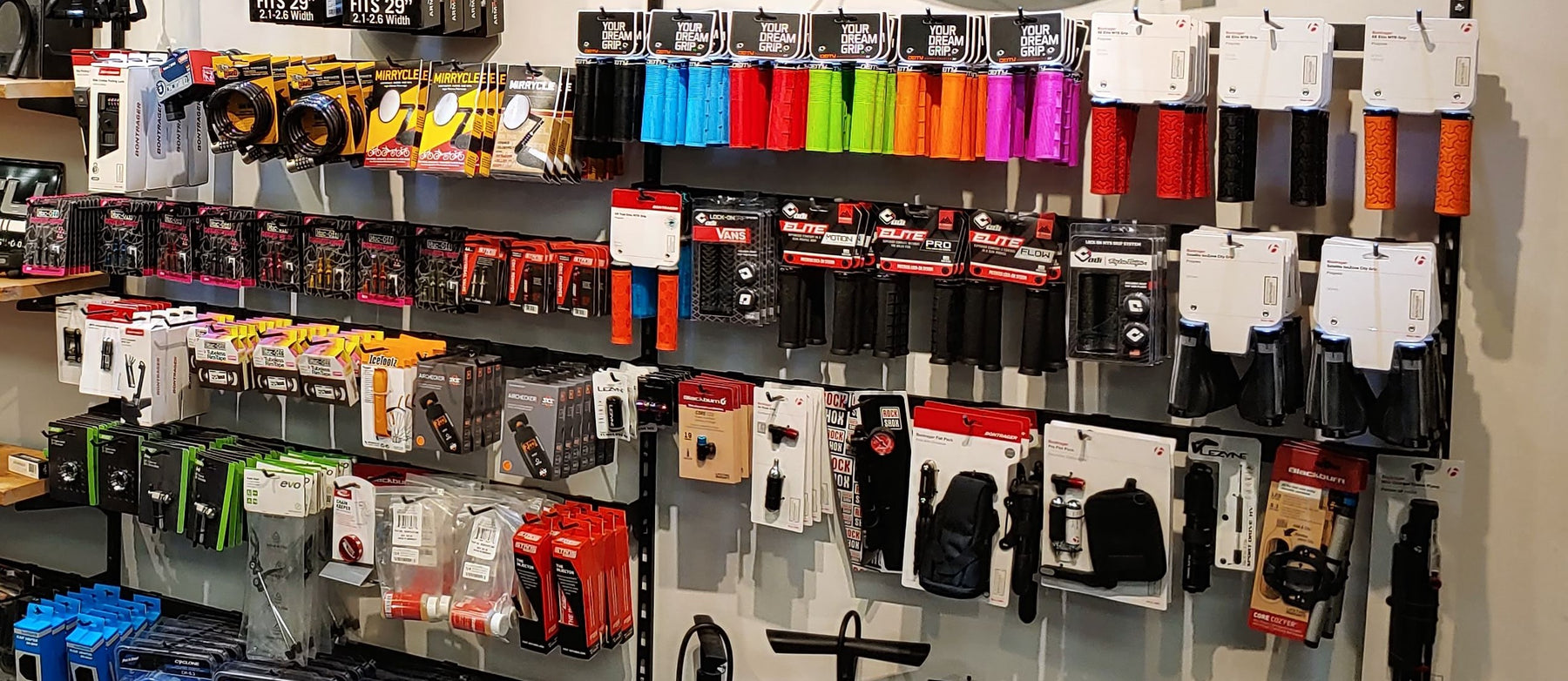
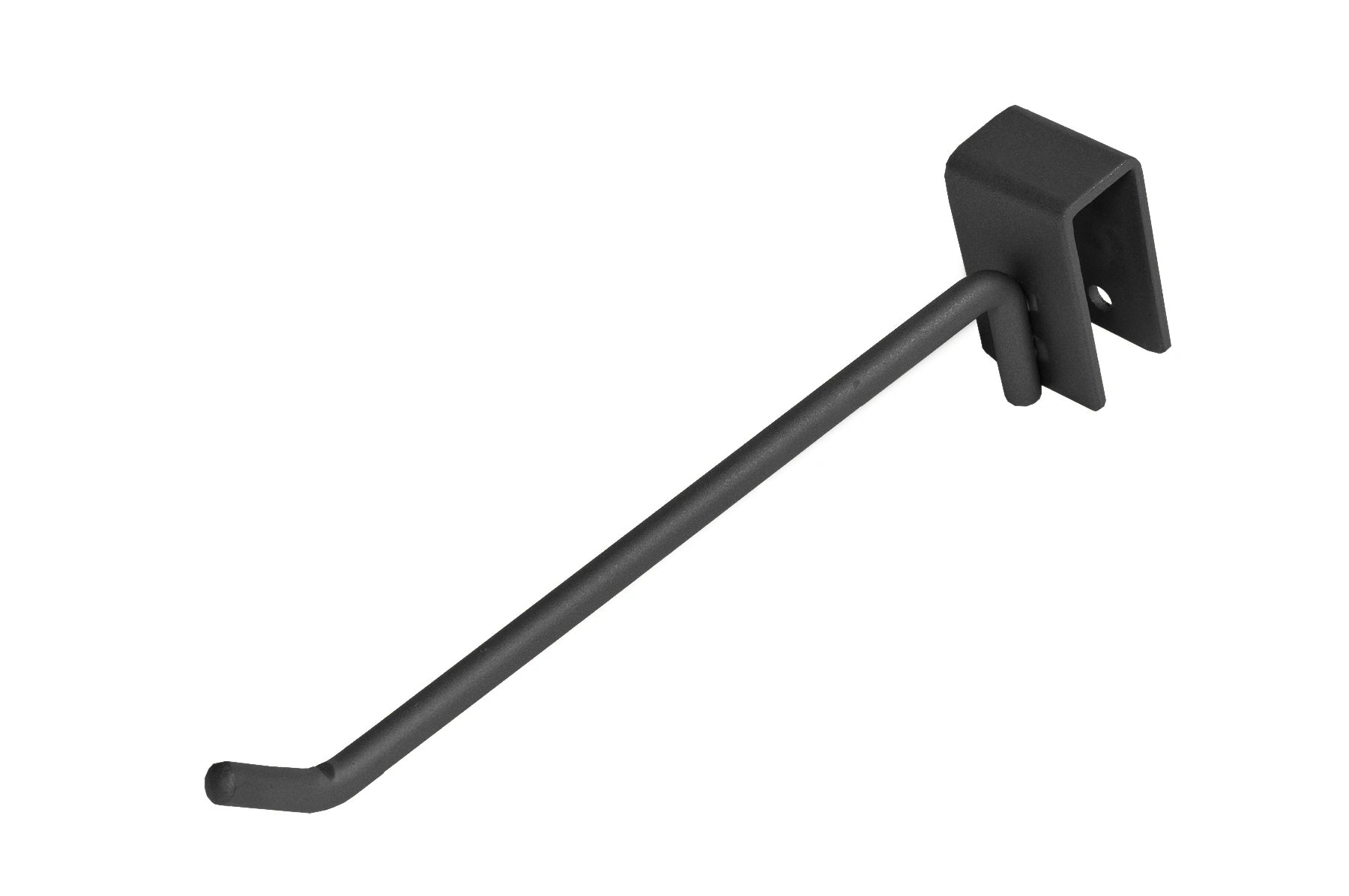
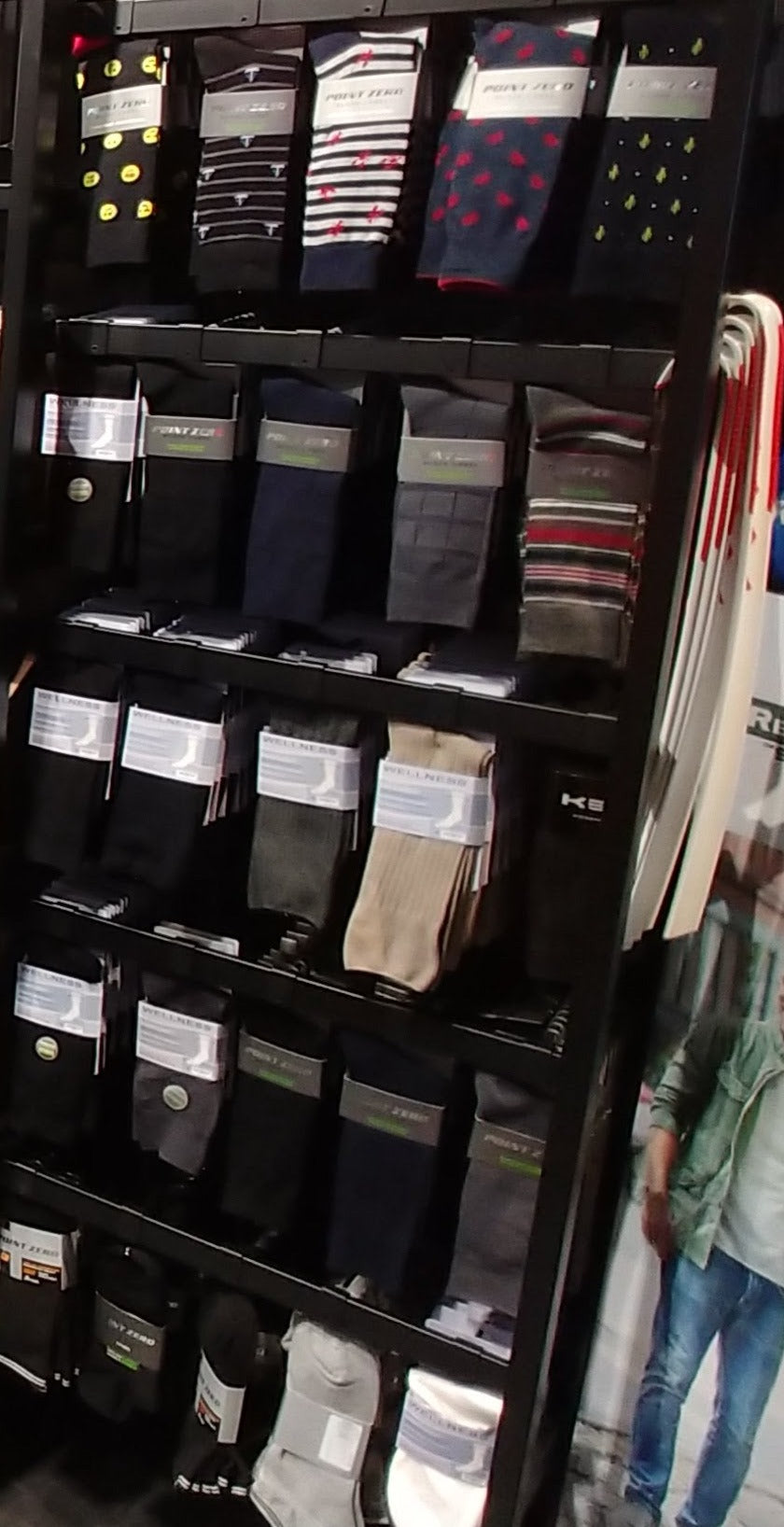
Available in 6 colors Black, White, Grey, Silver Metallic and Satin Nickel, and 4 sizes, these Hooks are for Displaying and Merchandising all your retail needs. Whether it is for Batteries, Socks, Hardware accessories, or Sporting goods, everything can be displayed with perfection. They fit in all our 24", 30" and 48" wall mounted Tracks, Outriggers or for our freestanding Gondola's and Armoire's.
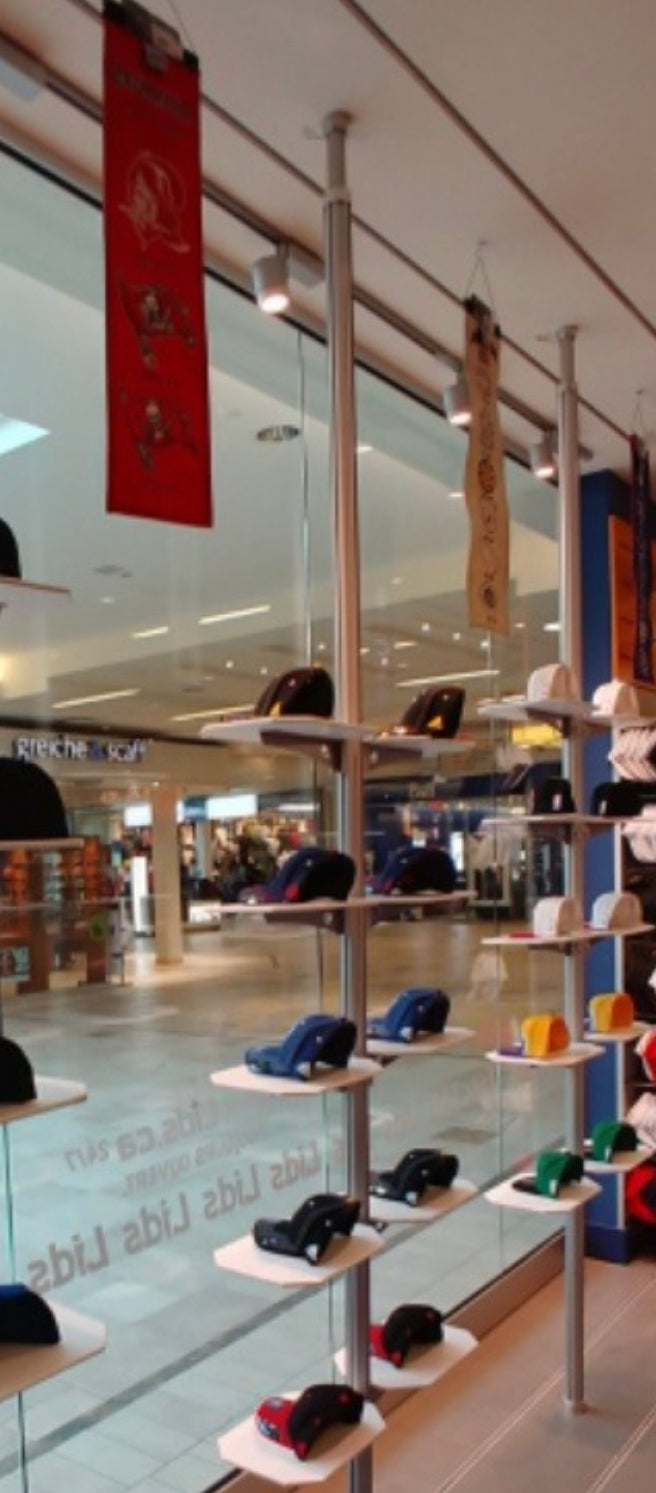
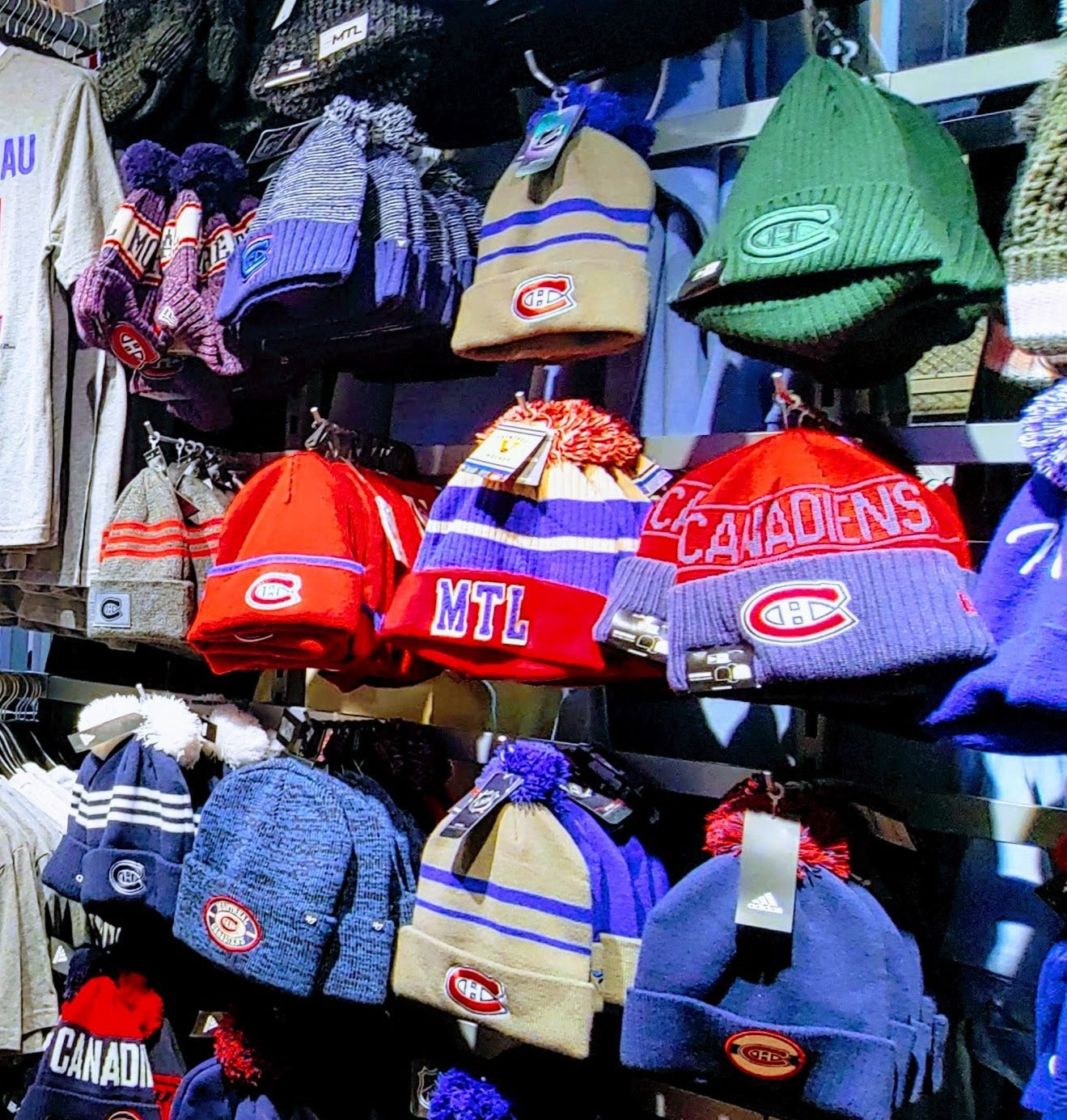
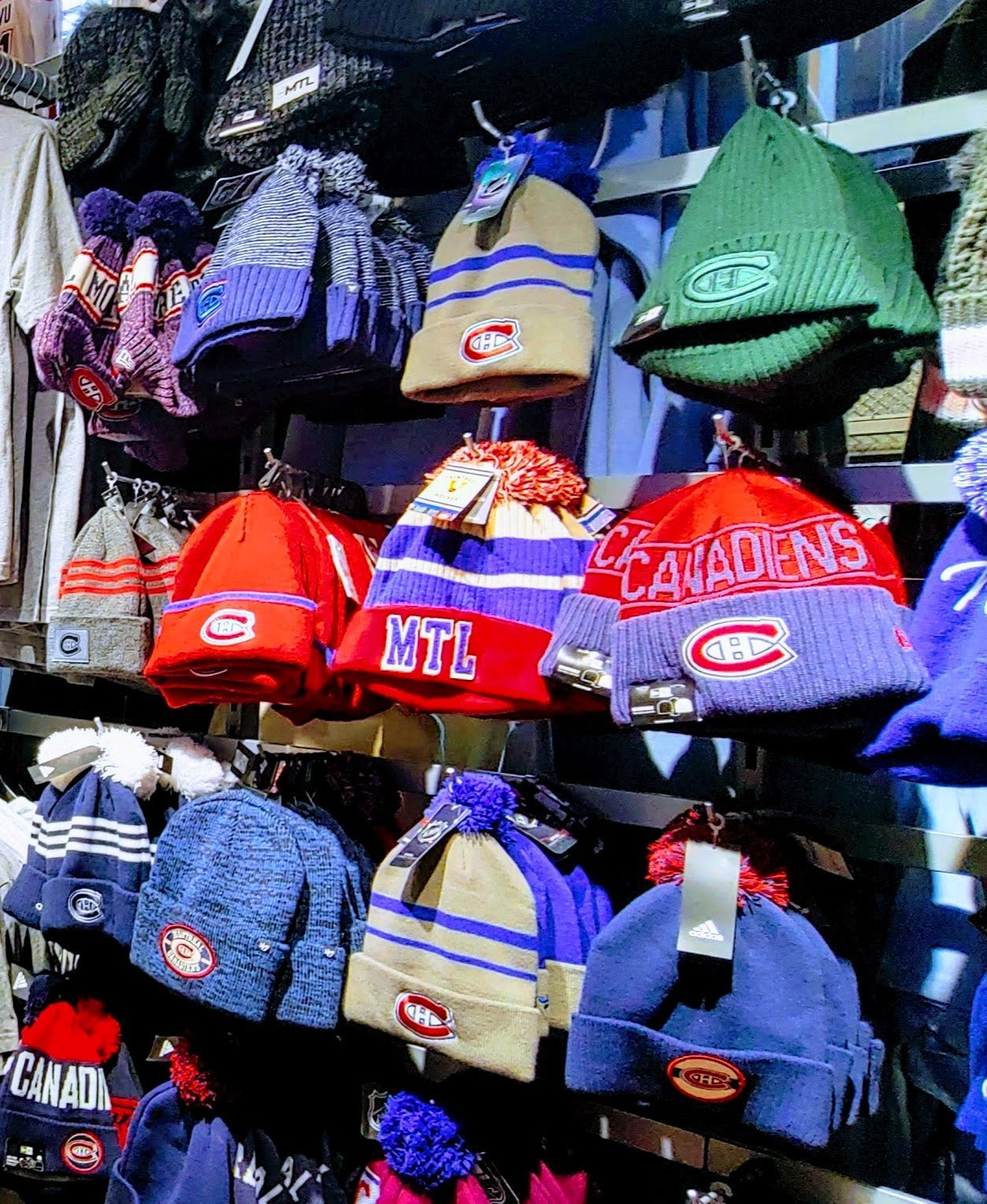
Available in 5 colors Black, White, Grey, Silver Metallic and Satin Nickel, these hat displays are designed to highlight your Hat, Cap and most Helmet products. They are to be used with our flat bars in 24", 30" and 48" wall mounted Tracks, Outriggers or for our freestanding Gondola's and Armoire's.
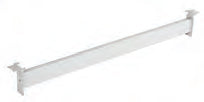
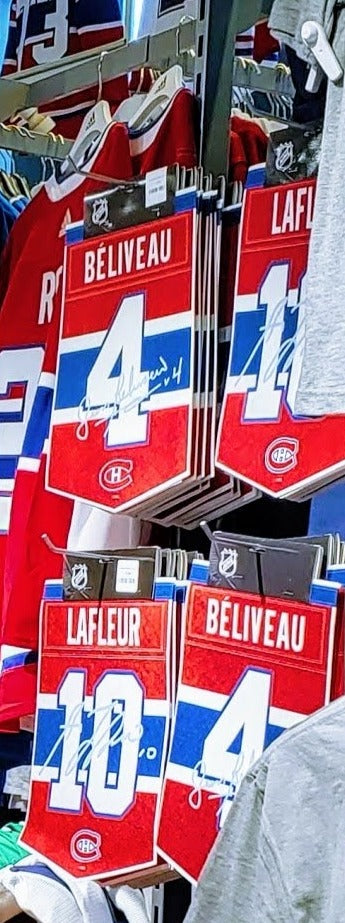
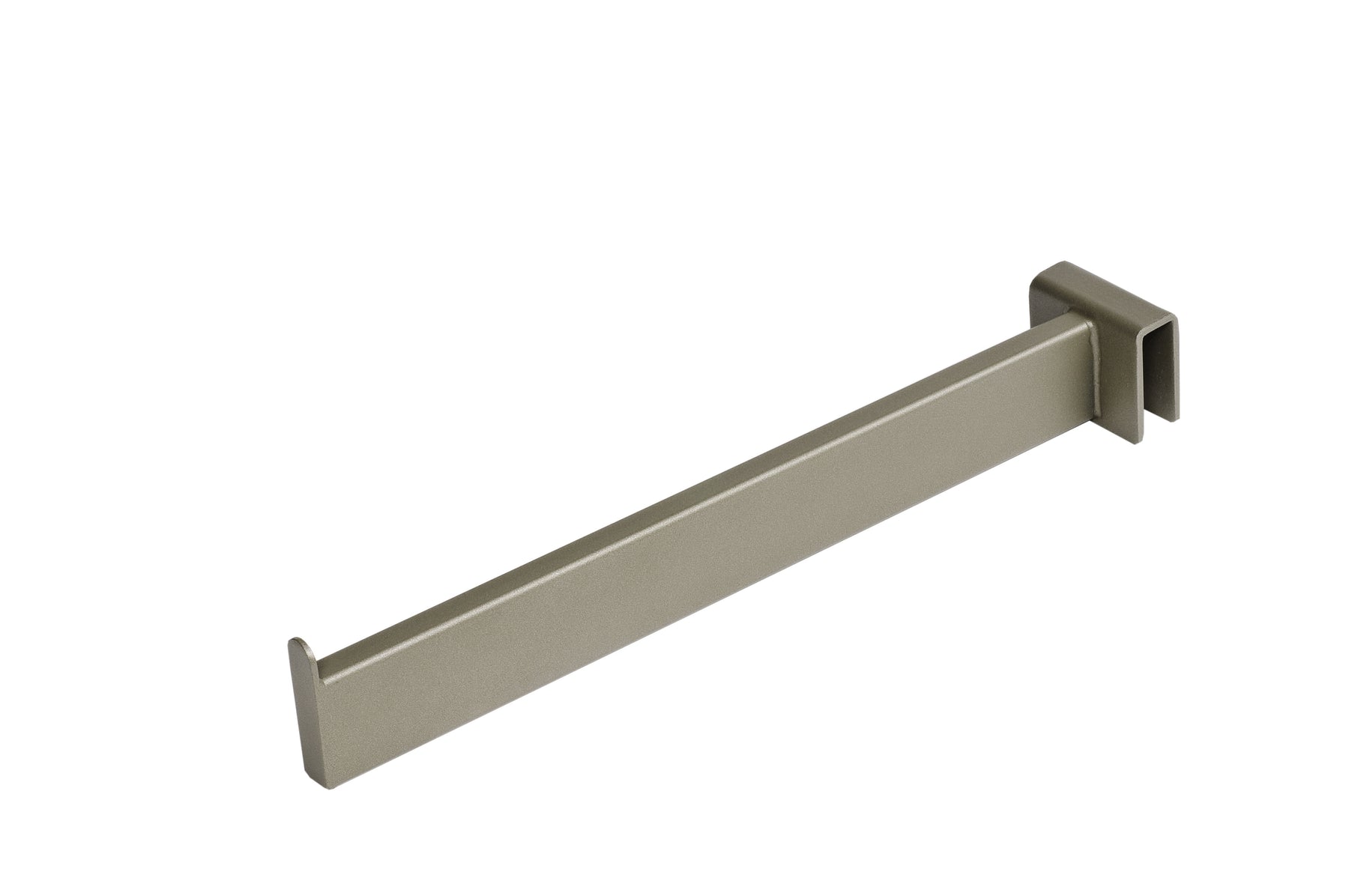
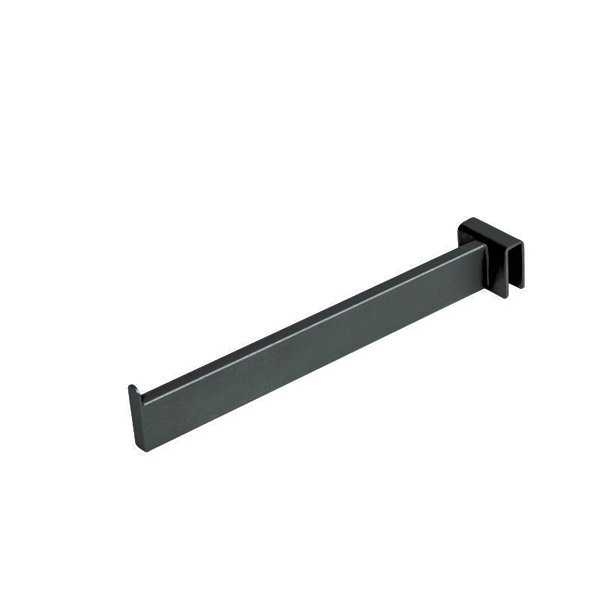
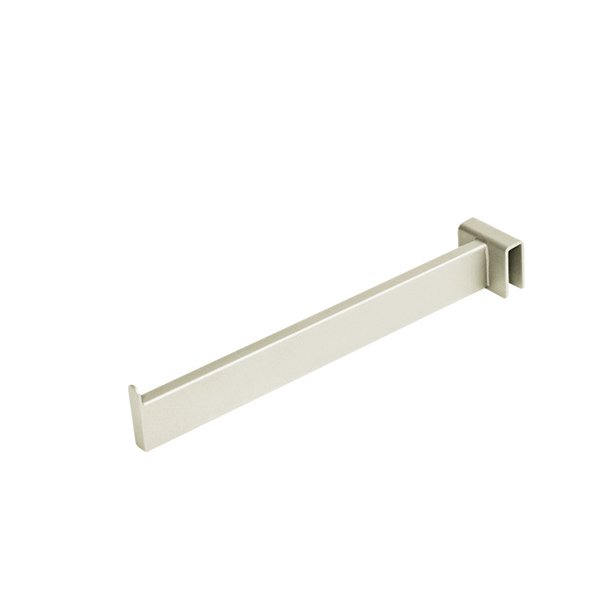
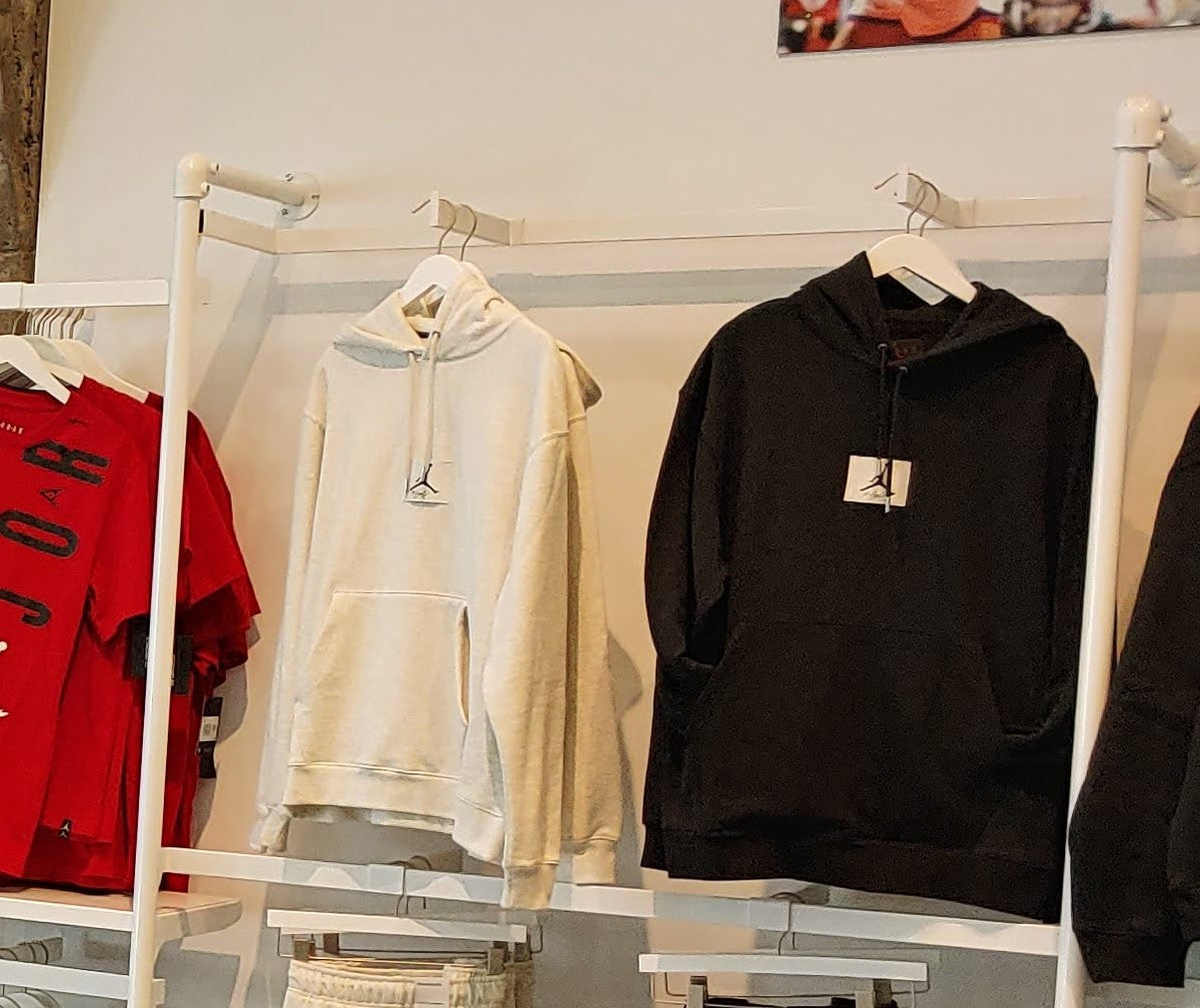
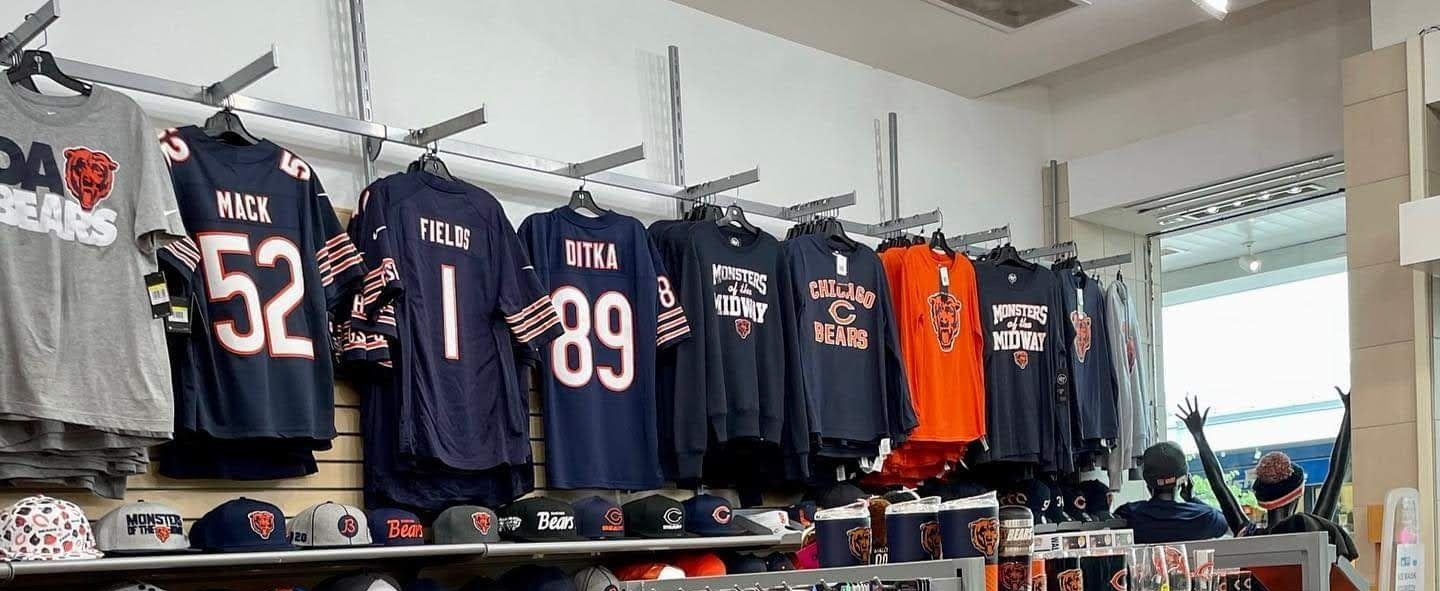
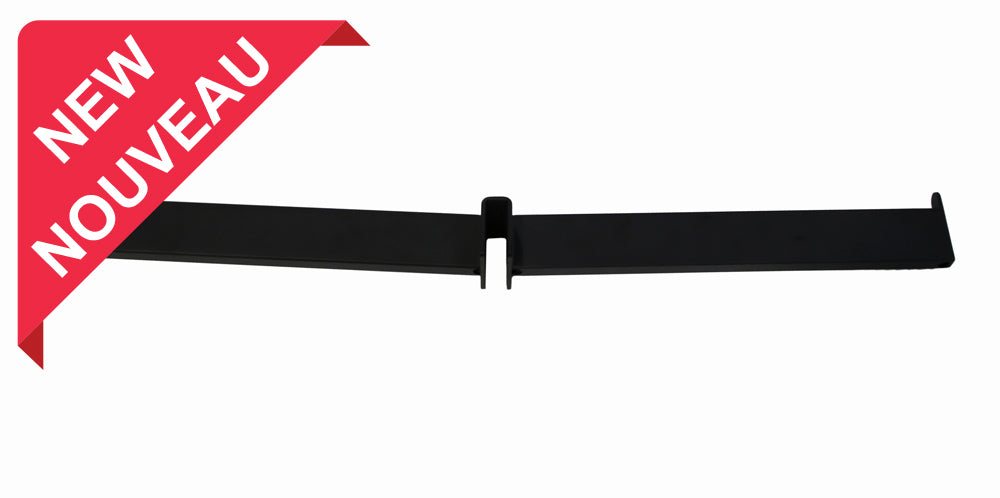
Available in 5 colors Black, White, Grey, Silver Metallic and Satin Nickel, these Face-outs are meant to merchandise and highlight clothing using flatbars. . Whether it is for Jackets, Pants, Dresses or jeans, these Face-out Straight arms can handle it all. They fit in all our Flat-bars and U-bars if using our, Tracks, Gondola's, Outriggers or Armoire's.
Available in Black or, White and 4 sizes 4", 6", 9", 12",
These Hooks are for Displaying and Merchandising all your retail needs. Whether it is for Batteries, Socks, Hardware accessories, or Sporting goods, everything can be displayed with perfection. They fit in our U-Bars or Flatbars intended for our Pipeline Outriggers or for our freestanding Pipeline Armoire's.
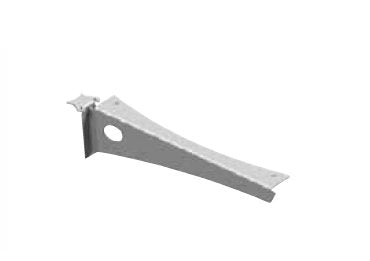
Understanding shelf bracket types and system compatibility helps retailers choose the right Ideajab brackets for flexible, future-proof displays. Ideajab offers a range of modular brackets designed to adapt across multiple fixture systems.
Common Bracket Styles & Uses
Straight bars / straight arms: Standard shelf and hanging support; useful when comparing straight bracket vs. waterfall layouts.
Waterfall bars: Stepped design for organized, high-visibility apparel displays.
Frontal flat bars: Front-facing merchandising and signage.
U-shaped shelf brackets: Ideal for endcaps and perimeter displays.
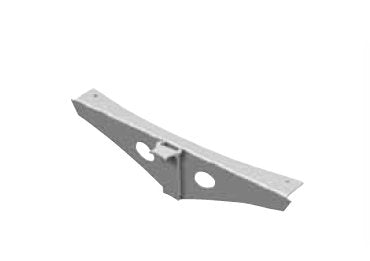
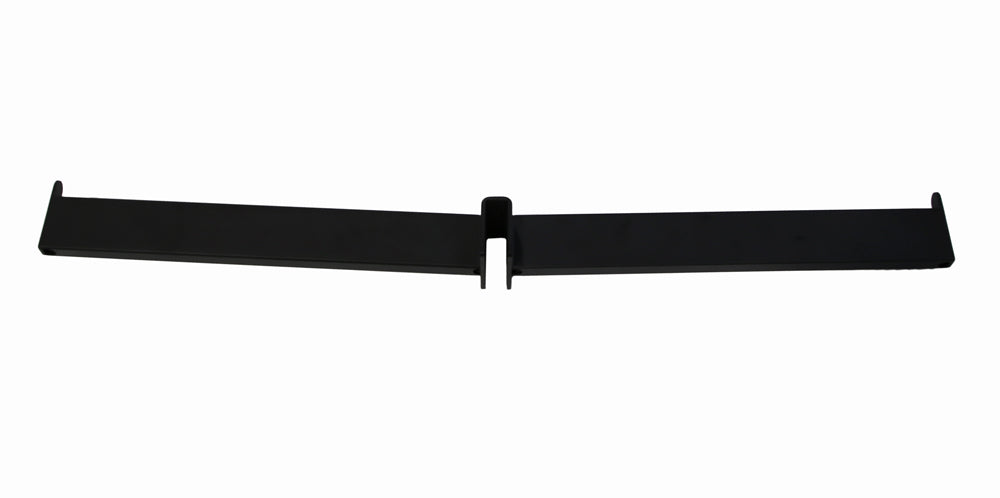
Center shelf brackets: Provide mid-bay reinforcement for more extended shelves.
Curved shelf supports: Used for specialty or design-driven displays.
System Compatibility & Modularity
These brackets are built for easy integration and work with slatwall, gridwall, gondola, and other wall-mounted bracket systems. They can be used individually or combined within full Ideajab fixture systems, enhancing retail display modularity. Brackets can also be mixed and matched to create custom configurations. For system-specific guidance, refer to product pages or contact our team.
FAQs
Yes. Ideajab brackets are designed for flexible system integration and can work with many existing retail wall systems. They are commonly used as slatwall brackets, support strong gridwall compatibility, and are available as wall standard brackets for vertical track systems. Proper bracket compatibility depends on matching slot size, slot pitch, and center spacing, such as 1/2" versus 1" slots. While Ideajab systems are modular, each wall type requires the correct bracket profile to ensure a secure fit and clean presentation. Adco DispleTech’s experienced design team can review your current setup, confirm compatibility, and recommend the right bracket solution for seamless integration.
Proper shelf bracket quantity and spacing are essential for safe, reliable displays. A common guideline is placing brackets every 32–36 inches, with secure bracket placement at both ends of the shelf. For shelves up to 36 inches, use two brackets; for 37–68 inches, use three; beyond that, add one bracket for every additional 32–36 inches. Effective shelf support planning should also account for shelf depth, merchandise weight, and wall type. Always check manufacturer load capacity ratings to avoid overloading. Adco DispleTech’s team can help calculate spacing and quantities based on your products and fixtures—reach out for expert guidance.
There are several bracket types used in retail displays, each serving a different function. In a straight vs. curved bracket comparison, straight brackets—such as a faceout bar or flat frontal bracket—provide direct horizontal support and are ideal for evenly distributing weight across shelves. They work best for folded apparel, boxed goods, or stacked merchandise. A U-shaped bracket, or curved bracket, features a front lip or cradle that helps hang or secure items, making it ideal for accessories, jewelry, hats, and decorative presentations. Using merchandise display brackets together in a modular system allows retailers to combine functionality and visual appeal while adapting displays to different product categories and merchandising strategies.
Ideajab systems offer a wide range of material options to suit different retail environments. Common choices include aluminum brackets for a lightweight, modern look and steel brackets for maximum strength and durability. Shelf bracket finishes typically include chrome, black, white, and anodized brackets, depending on the product type. Select components may support custom bracket colors to align with branding or store décor. Finish availability can vary based on whether you choose straight bars, U-shaped bars, flat bars, or waterfall styles. Selecting the right combination of materials and finishes helps balance durability, aesthetics, and performance while creating a cohesive, professional merchandising presentation throughout your store.
Choosing between different retail display options depends on layout, flexibility, and merchandising needs. Wall-mounted brackets attach directly to walls, helping maximize floor space and create clean, high-impact displays. Shelf bracket standards offer adjustability, allowing shelves to move easily for seasonal changes or new product lines. Freestanding fixtures are ideal for high-traffic zones, temporary promotions, or spaces where wall mounting isn’t possible. Effective store layout planning considers customer flow, product weight, and how often displays change. Proper fixture selection usually combines all three solutions to balance flexibility and visual appeal while ensuring your retail environment remains functional, adaptable, and optimized for sales performance.